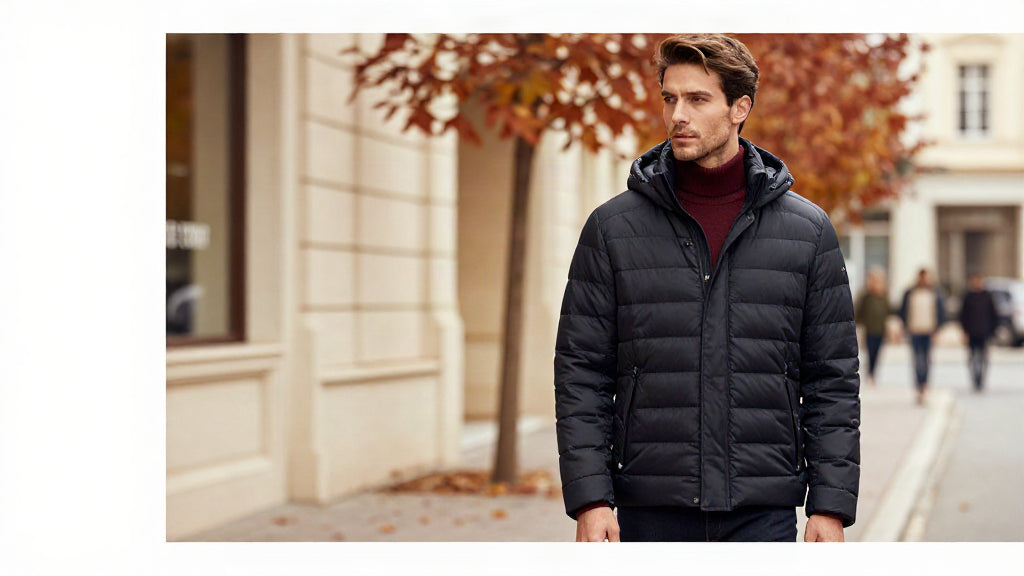
From Summer to Autumn: How to Dress Well During the Transition

September has a way of making everyone's wardrobe look wrong at least once a day. It's 28°C at lunch, warm enough that a jacket feels like a bad decision, and then the sun drops and it's suddenly autumn again, cool enough that a t-shirt alone leaves you regretting every choice you made that morning. This isn't a small window either. It can run for weeks.
The good news is that dressing well through this stretch isn't about owning two separate wardrobes. It's about picking pieces that do more than one job, and knowing how to layer them so you're never stuck being too hot or too cold. Atelier’s collection does exactly that, real pieces from RRD, K-Way, Peuterey, Lacoste and MC2 Saint Barth that were actually built with this kind of weather in mind.
Most wardrobe advice for this time of year either tells you to buy a whole new autumn capsule, which feels like a lot of effort for a few weeks of odd weather, or to just tough it out in summer clothes until the season properly commits to being cold. Neither approach is really needed. A handful of the right pieces, chosen for their weight and versatility rather than the season printed on the label, covers this entire stretch without much fuss.
The Building Blocks
Before getting into specific pieces, here's the basic shape of a transition wardrobe.
|
Category |
What it's for |
|
Lightweight jacket |
Cuts the evening chill without overheating at noon |
|
Overshirt |
A layer between shirt and jacket, works fully open or buttoned |
|
Polo shirt |
Warmer than a t-shirt, cooler than a long sleeve |
|
Long-sleeve shirt |
The base layer that makes everything else optional |
|
Lightweight knitwear |
For evenings that dip lower than expected |
|
Jeans and chinos |
Heavier than summer trousers, still breathable |
|
Sneakers |
Comfortable enough for a full day outdoors either way |
None of these are exotic. The trick is just having the right weight of each, not the heaviest version you own.

Lightweight Jackets
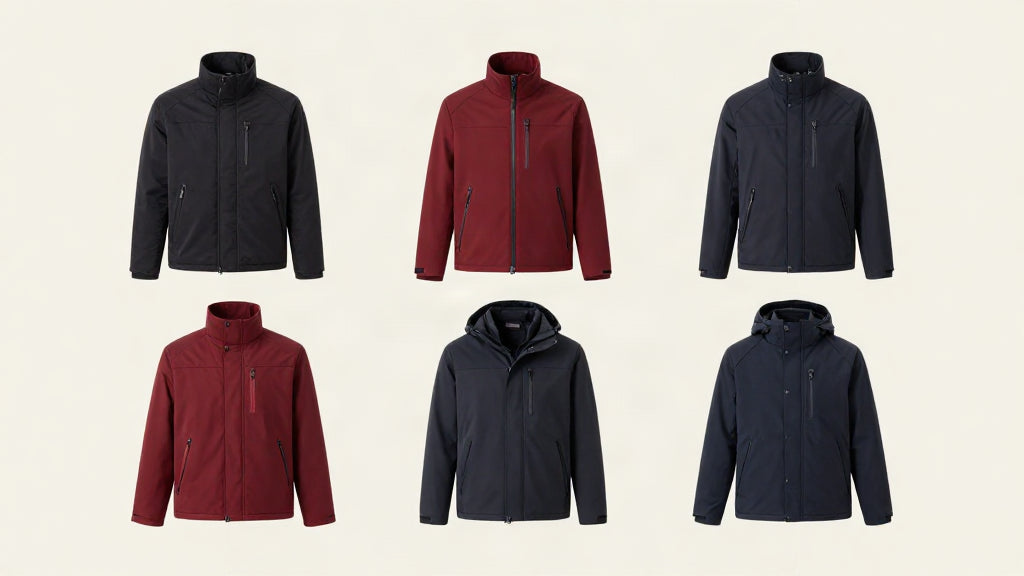
The whole point of a transition jacket is that you can wear it at 9am and stuff it in a bag by 1pm without it taking up half your backpack. The K-Way Amaury stretch nylon jersey jacket does exactly that. K-Way built its name on packable, weatherproof outerwear, and this one keeps that lightness while looking considerably more put together than the classic windbreaker the brand is known for. It's the kind of jacket you stop noticing you're carrying, which is really the whole point.
Overshirts
An overshirt sits in that useful gap between a shirt and a jacket, thick enough to wear alone over a t-shirt, light enough to layer under something heavier if the evening turns colder than expected. The RRD Nabucco jacket works this way particularly well. RRD is known for technical, Made in Italy pieces designed around actual weather rather than just appearances, and the high collar and clean zip front here make it just as easy to wear buttoned up as thrown open over a tee. It's the piece that quietly saves you from either extreme.
Polo Shirts
A polo is underrated in September, since it holds a bit more warmth than a t-shirt without committing to long sleeves. The RRD Revo polo is a solid pick for exactly this reason. It layers cleanly under the overshirt above on a cooler morning and works fine on its own once the afternoon heats up, which is really all you can ask of a single piece this time of year.
Long-Sleeve Shirts
This is the piece that quietly does the most work in a transition wardrobe, since it can be worn alone, under a knit, or under a jacket depending on the hour. The MC2 Saint Barth Raphael long sleeve shirt is linen, which sounds like a purely summer fabric but actually works well here too, since linen breathes in the heat and still provides a real layer once it cools down. For something with a bit more structure, the Lacoste linen regular fit shirt is a cleaner, more buttoned-up option for anywhere slightly dressier, the kind of shirt that goes from a work lunch to dinner without you having to think about it twice.
Lightweight Knitwear
This is the piece most people reach for too late, after the first genuinely cold evening catches them off guard. The Peuterey Race knit is light enough to carry in a bag all day and warm enough to actually matter once the sun goes down. Peuterey's whole reputation is built on technical outerwear that still looks properly considered, and this knit is a good example of that in a lighter category. Keep it folded in your bag and you'll stop dreading the walk home after dark.
Jeans and Chinos
Trousers matter more in this stretch than people give them credit for. Summer linen trousers start to feel thin once the evenings cool off, but a full winter-weight jean is overkill at midday.
-
The Jeckerson jeans are a proper five-pocket slim fit with the brand's signature patch detail, sturdy enough for cooler days without being heavy.
-
The RRD chino is the lighter option of the two, a genuine in-between trouser built specifically for shifting temperatures rather than one extreme or the other.
Between the two, you've got the whole month covered without a single trouser feeling wrong for the day.
Sneakers
Footwear is the one category where you genuinely don't need to change anything for the season, provided you picked well in the first place. The Premiata Lauryn 8186 sneaker is comfortable enough for a full day of walking in either warm or cool weather, and the leather construction means it isn't a purely summer shoe that looks out of place once autumn properly sets in. One pair, every day of the transition, no swapping required.
Layering, the Actual Strategy
Layering gets treated as an aesthetic idea, but it's really a practical one. The concept, sometimes called the layering system in outdoor and technical clothing circles, comes down to combining a few lighter pieces you can add or remove instead of relying on one single garment to handle the whole day.
-
Start with the base layer. A long-sleeve shirt or light polo is what everything else builds on.
-
Add a mid layer only if you need it. A knit or overshirt goes on top, and comes off the second it's not needed.
-
Keep the outer layer packable. A jacket you can't fold into a bag is a jacket you'll leave at home on a warm morning, right when you'll actually need it by evening.
-
Don't double up on warmth in the same layer. A heavy knit under a heavy jacket is how people end up sweating at 2pm and still cold at 8pm, because neither piece is doing its specific job.

Colours That Work Across Seasons
Bright summer colour palettes tend to look slightly out of place once the light changes in September. A few shifts that carry a wardrobe cleanly into autumn without needing a full replacement.
|
Summer leans toward |
Autumn transition leans toward |
|
White, sky blue, pale yellow |
Off-white, navy, olive |
|
Bright, saturated tones |
Muted, earthy tones |
|
High-contrast pairings |
Tonal, low-contrast pairings |
None of this means abandoning colour altogether. It's more about shifting the base of an outfit toward something a bit deeper, and saving the brighter pieces for accents rather than the whole look. A navy overshirt with a pale blue shirt underneath still reads as fresh and warm-weather appropriate, it just doesn't fight against the lower autumn light the way a bright yellow tee tends to.
Frequently Asked Questions
1. Is it actually worth buying transition pieces, or should I just layer what I already own?
Layering what you own works to a point, but a genuinely lightweight jacket or a linen long-sleeve shirt does something a heavier winter piece or a thin summer tee can't, since neither of those was built for this specific in-between weather.
2. What's the single most useful piece to buy first?
A long-sleeve shirt in a breathable fabric like linen, since it works alone in the heat and as a base layer once it's cooler, more than any other single piece in this list.
3. Should I size up on layering pieces to fit things underneath?
A little room helps, particularly with overshirts and jackets meant to go over a shirt or knit, but there's no need to size up dramatically. Most of these pieces are already cut with layering in mind.
4. How do I know if a jacket is actually lightweight enough for this season?
Check the fabric and construction rather than just the look. A nylon or technical shell, like the K-Way piece above, is a better transition option than anything with real insulation or heavy lining.
5. Is linen really warm enough once the evenings cool down?
On its own, linen is still a summer-weight fabric, but as part of a layering system, worn under a knit or jacket, it holds up well and adds breathability that heavier fabrics don't.
Final Thoughts
The transition from summer to autumn doesn't need a wardrobe overhaul. It needs four or five pieces that can move between temperatures without you having to think about it too hard, a lightweight jacket, an overshirt, one good knit, trousers that split the difference between summer and winter weight, and shoes that don't care which season it is. Once those are in place, the 28°C afternoons and the suddenly cool evenings stop being a problem to plan around. Atelier Fratelli Carbè's collection has all of this already in place if you would rather not piece it together yourself.